
When Sweets Trigger Tooth Pain: What We Check First in Clinic
When Sweets Trigger Tooth Pain: What We Check First in Clinic
Table of Contents
Key Takeaways
If your tooth hurts when eating sweets, the discomfort may point to an underlying dental issue rather than sugar causing immediate damage.
Decay, enamel wear, gum recession, ageing restorations and small cracks can all make a tooth react to sweet foods.
The location, duration and triggers of the discomfort help dentists narrow down what may be causing the problem.
Pain that becomes persistent, severe or occurs with swelling, fever or facial swelling should be assessed promptly.
Introduction
If your tooth hurts when eating sweets, the sugar itself is not always the real problem. Chocolate, desserts and sugary drinks often bring attention to sensitivity that has already developed because something has changed in the tooth.
You might notice a quick, sharp sting that disappears almost immediately. Or the discomfort may linger a little longer after you stop eating. That difference can be useful. When we assess this type of sensitivity, we look at how long the pain lasts, where it comes from, and what else seems to trigger it, as these details can help point us towards the underlying cause.
Why Does My Tooth Hurt When I Eat Sweets?
Tooth decay is one of the first things we consider when sweet foods trigger pain. Bacteria in plaque use sugars to produce acids that gradually weaken the enamel. As decay progresses and the protective tooth structure becomes compromised, the tooth may become increasingly sensitive to sweet foods, cold drinks and other triggers.
When dentine becomes exposed, microscopic channels within it allow changes at the tooth surface to stimulate the sensitive tissues inside the tooth. Sweet foods can trigger this response in susceptible teeth, producing the characteristic short, sharp sensation associated with sensitivity.
The challenge is that tooth decay symptoms can be subtle in the early stages. You may not have a constant toothache at all. Instead, the only warning sign might be a short, sharp sting when you eat a biscuit, bite into dessert or sip a sweet drink.
A common experience is: “It only happens with something sweet, so I didn’t think much of it.” In some situations, examination may reveal a small cavity between the teeth or within a deep groove that is difficult to spot at home. If we suspect the decay extends further than we can see, an X-ray may help us assess how much of the tooth is involved.
Worn Enamel Can Leave Teeth More Sensitive
Enamel forms the hard outer layer of the tooth and helps protect the dentine underneath. When it gradually becomes thinner or worn, the tooth has less of a barrier against sweet, hot, cold or acidic foods.
This can happen for several reasons. Frequent exposure to acidic drinks and foods may contribute to enamel erosion, while teeth grinding and brushing too aggressively can also wear the surface over time. In these cases, sensitivity can develop even when there is no obvious cavity.
One pattern we pay attention to is whether the discomfort affects several teeth rather than just one. For example, someone who regularly sips soft drinks throughout the day may start to notice sensitivity in multiple teeth. During an examination, we may find more generalised enamel wear rather than a single area of decay.
Identifying the pattern matters because a localised cavity and more widespread enamel wear usually need different approaches to management. A cavity may need to be restored, while broader enamel wear usually calls for a closer look at the habits or conditions contributing to it.
Can Receding Gums Cause Pain When Eating Sweet Foods?
Yes. When the gums recede, part of the tooth root can become exposed. Unlike the crown of the tooth, the root is not covered by thick enamel, so it has less protection against external stimuli. If the underlying dentine is exposed, sweet foods, cold drinks or even brushing may cause a short, sharp sensation.
When we assess this type of sensitivity, we look at where the discomfort is coming from. If it is concentrated near the gumline and also reacts to cold water or brushing, exposed dentine may be contributing to the problem.
We also assess the health of the surrounding gums and whether plaque or tartar is contributing to inflammation. Where necessary, professional dental cleaning and polishing may form part of the wider treatment plan, but it does not reverse gum recession itself.
Old Fillings or Cracks May Be the Hidden Cause
Sometimes, the source of sensitivity is a tooth that has already been treated. Fillings can wear, chip or develop small gaps around their edges over time. If this happens, the underlying tooth may become more exposed, and decay can occasionally develop around or beneath the restoration.
Fine cracks can be even harder to spot. They may be too small to see clearly and do not always show up on an X-ray. If a particular tooth keeps reacting, we may use a combination of visual examination, bite tests, and temperature testing to narrow down the source of the discomfort.
For example, you might be able to eat sweets normally on one side but feel a sudden zing from a single molar on the other. If that same tooth also reacts when you bite in a particular spot, we would look more closely for a crack or a problem around an existing filling.
This is why sensitive teeth should be treated as a symptom rather than a diagnosis. Decay, exposed root surfaces, enamel wear, cracks and ageing restorations can all produce similar sensations, so identifying the exact cause matters before deciding what treatment may be appropriate.
What We Check First During a Dental Examination
When you tell us that a tooth hurts when eating sweets, a few small details can make the examination much more informative. We may ask which tooth is affected, whether the pain also happens with cold water or acidic foods, how long it lasts and whether biting on the tooth causes any discomfort.
From there, our dentist can examine the tooth surface, gumline and any existing restorations. An X-ray may also be recommended if we need a clearer view of areas that are difficult to assess visually, such as decay between the teeth or beneath a filling. The goal is to understand the cause of the sensitivity before discussing treatment.
If tooth decay is identified, treatment depends on how far it has progressed. Very early areas of demineralisation may sometimes be managed preventively, while a cavity where tooth structure has already been lost may require a filling.
If the problem is linked to exposed dentine or enamel wear instead, treatment may focus more on reducing triggers, adjusting brushing habits, using a toothpaste formulated for sensitive teeth and maintaining fluoride exposure through regular brushing.
What Can You Do Before Your Appointment?
If the sensitivity is mild and short-lived, pay attention to what seems to trigger it before your dental visit. Knowing whether the discomfort happens with sweets alone or also with cold drinks, acidic foods, or biting can give your dentist useful clues during the examination.
In the meantime, try to avoid repeatedly exposing the affected tooth to foods or drinks that provoke the sensation. Brush gently with a soft-bristled toothbrush rather than scrubbing harder around the sensitive area, as aggressive brushing may make exposed surfaces more uncomfortable. Continue cleaning the area gently rather than avoiding it altogether, as allowing plaque to accumulate may worsen decay or gum inflammation.
Most importantly, do not rely on avoiding sweets as a long-term solution. If the same tooth continues to react, arrange an examination to identify the underlying cause.
Early tooth decay may be painless at first; however, that sensitivity can develop as the enamel becomes damaged, which is another reason recurring sensitivity warrants assessment rather than waiting for a persistent toothache.
When Sweet Sensitivity Needs Prompt Attention
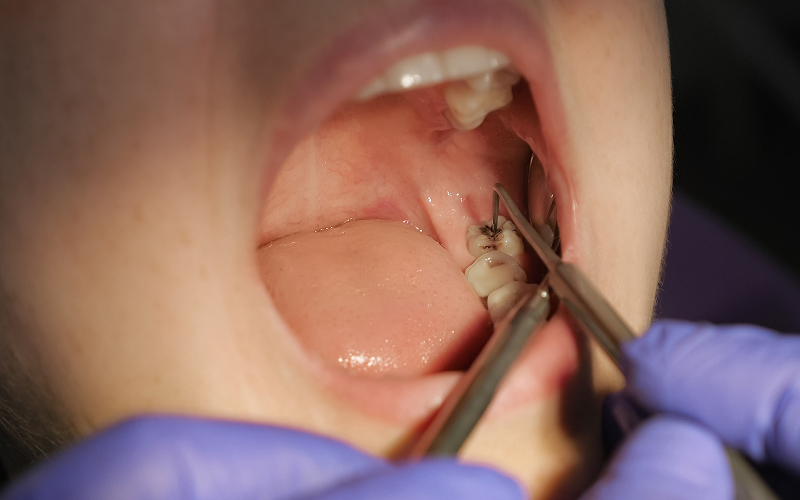
Sweet sensitivity is not always urgent, but certain changes deserve quicker attention. Arrange a dental assessment if the pain begins occurring even when you are not eating, becomes more intense, wakes you at night or continues for some time after the trigger has gone.
You should also seek prompt care if the pain is accompanied by facial swelling, fever or rapidly worsening pain warrants prompt assessment. Significant facial swelling, difficulty swallowing or difficulty breathing requires urgent medical attention.
If the pain is severe or worsening quickly, we also provide emergency dental services for urgent dental concerns.
Do Not Let the Sweet Food Distract From the Tooth
Cutting back on sweets may make the discomfort less noticeable, but it does not explain why the tooth has started reacting in the first place. If the sensitivity keeps returning, it is worth finding out what is behind it.
At Canaan Dental Surgery, we assess sensitivity by looking at where the discomfort occurs, how long it lasts and what triggers it. Depending on what we find, the examination may also include checking the gumline, existing fillings and other restorations, bite-related symptoms and X-rays where appropriate. This helps us distinguish between possible causes before discussing treatment.
If your tooth hurts when eating sweets, arrange a dental examination rather than waiting for the discomfort to become more frequent or persistent.
FAQs About Tooth Pain When Eating Sweet Foods
1. Why does only one tooth hurt when I eat sweets?
If sensitivity is limited to one tooth, it may indicate a localised problem rather than general tooth sensitivity. Common causes include tooth decay, a worn or leaking filling, a cracked tooth, or an exposed tooth root due to gum recession. A dental examination can help identify the underlying cause and determine the most appropriate treatment.
2. Does pain when eating sweets always mean I have a cavity?
Not always. While tooth decay is one of the most common causes, sweet sensitivity can also result from worn enamel, gum recession, exposed dentine, a cracked tooth or a failing dental restoration. Because several conditions can produce similar symptoms, a professional assessment is the best way to determine the cause.
3. Why does the pain stop once I've finished eating?
Pain that occurs only when eating sweet foods often results from sugar temporarily stimulating exposed dentine or an irritated nerve within the tooth. Once the sugary food is removed, the stimulus disappears, and the discomfort may settle quickly. However, if the sensitivity becomes more frequent, lasts longer, or begins to occur with hot or cold foods as well, it may indicate that the underlying problem is progressing and should be assessed by a dentist.
4. Can toothpaste for sensitive teeth help?
Desensitising toothpaste may help reduce discomfort caused by exposed dentine, particularly when sensitivity affects several teeth. However, it does not treat underlying problems such as tooth decay, cracks or damaged fillings. If one tooth repeatedly hurts when you eat sweets, a dental examination is still recommended.
5. When should I worry about pain when eating sweet foods?
Arrange a dental assessment if the pain keeps returning, becomes more intense, lingers after eating or begins occurring without a trigger. Swelling, fever, facial swelling or severe worsening pain should be assessed promptly.

