
Common Causes of Tooth Pain (Even If You Can’t See a Problem)
Common Causes of Tooth Pain (Even If You Can’t See a Problem)
Table of Contents
Key Takeaways
Tooth pain is not always caused by a visible cavity. Some causes of tooth pain develop beneath restorations, inside fine cracks or in surrounding structures.
The timing and pattern of discomfort can provide important clues, such as morning soreness, pain when biting or sensitivity affecting several teeth at once.
Dental pain may sometimes originate outside the tooth itself, including from the jaw, sinuses or facial nerves.
When pain persists despite the tooth looking normal, a dental assessment can help identify the source before treatment is recommended.
Introduction
Tooth pain can be frustrating, especially when you look in the mirror and cannot see anything obviously wrong. You may have no visible cavity, swelling, or broken tooth, yet still feel discomfort when chewing, drinking something cold, or waking in the morning.
That is because some causes of tooth pain develop out of sight. The source may be between teeth, beneath an existing restoration, within a small crack or even in nearby structures such as the jaw or sinuses.
At our clinic, we often look beyond what is visible on the tooth’s surface. When pain starts, what triggers it, how long it lasts, and whether it affects one tooth or several can help narrow down the possible cause.
Below are some common reasons a tooth may hurt even when everything looks normal.
1. Hidden Decay Can Develop Beneath the Surface
A toothache without visible signs of a cavity does not necessarily mean decay is absent. Hidden tooth decay can develop between neighbouring teeth, beneath an older filling or around the edge of an existing restoration, where it may not be visible during everyday brushing.
These areas can be difficult to assess by sight alone. When symptoms suggest that something may be developing beneath the surface, dental X-rays may provide additional information about areas we can’t assess directly, such as between teeth or around existing restorations.
For example, a tooth may look intact, yet sensitivity to cold or sweet foods keeps returning in the same spot. In this situation, we would look at the pattern of symptoms together with the clinical examination and, where appropriate, imaging, rather than relying on appearance alone. For healthy teeth with deep pits and grooves that tend to trap food and plaque, dental sealants may be considered separately as a preventive measure to help protect these harder-to-clean areas.
2. Pulpal Inflammation Can Cause Hidden Tooth Pain
Pain can develop when the dental pulp, which contains the tooth’s nerves and blood vessels, becomes inflamed due to decay, a crack, previous dental treatment, trauma, or another source of irritation. A brief response to cold may not necessarily indicate severe pulp damage, but pain that lingers after hot or cold stimuli, occurs spontaneously, or wakes you at night may warrant closer investigation.
Because symptoms alone cannot confirm the condition of the pulp, we may assess the tooth using clinical tests and X-rays where appropriate. If assessment indicates irreversible pulpal inflammation or infection, treatment depends on whether the tooth is restorable and on the overall clinical findings. Root canal treatment may be considered when retaining the tooth is appropriate.
3. Small Cracks Can Cause Significant Pain
Symptoms of a cracked tooth can be unpredictable. A tooth may feel completely normal most of the time, then suddenly hurt when you bite into something firm or as you release the pressure.
These cracks are not always easy to see. Small fractures can develop from repeated chewing forces, trauma, large restorations, or grinding, and some may only become apparent through bite testing, magnification, or light passing through the tooth.
In our examinations, we pay close attention to pain that appears only when biting on a particular area of a back tooth. Even if the surface looks intact, that bite-and-release response can be a useful clue that a crack may be present rather than an obvious cavity. Fine cracks may not be visible on conventional dental X-rays, so diagnosis can require a combination of the symptom pattern and clinical tests.
Treatment depends on the location and extent of the crack, the condition of the pulp and how much healthy tooth structure remains. Different restorative or endodontic approaches may be considered depending on these findings.
4. Teeth Grinding Can Make Teeth Feel Sore
Teeth grinding (bruxism) or clenching can make several teeth feel sore at the same time, even without obvious decay or visible damage. Because it often happens during sleep, you may only notice it when you start waking with tooth sensitivity, jaw soreness or stiffness.
Common symptoms include a dull ache across several teeth, morning jaw stiffness, headaches around the temples, increased sensitivity, worn or flattened biting surfaces, and fillings that chip or crack more frequently.
In our examinations, the pattern of discomfort is often just as useful as the location of the pain. Widespread soreness that worsens in the morning may point to grinding, while sharp pain in one tooth when you chew may suggest a different problem.
We therefore look beyond the tooth that feels sore. Wear patterns, existing restorations, and tenderness in the jaw muscles can all provide useful information when assessing whether grinding or clenching may be contributing to the discomfort.
5. Gum and Periodontal Causes May Lead to Pain
When a patient points to a painful tooth, we do not assume the problem is always inside the tooth itself. The surrounding gums and supporting tissues can produce very similar discomfort. Possible causes include periodontal inflammation, a periodontal abscess, food trapped deeply between teeth, a tooth that has become increasingly mobile (or shaky), or inflammation around a partially erupted wisdom tooth.
These problems can produce localised tenderness, pressure, or pain when chewing, even when the tooth itself does not appear obviously damaged. Other clues may include swelling, bleeding gums, a bad taste, tenderness around the gumline, or a tooth that feels increasingly loose. If these symptoms are present, we assess the gums and supporting tissues alongside the tooth itself.
6. Exposed Dentine or Root Surfaces Can Cause Tooth Sensitivity
When a tooth reacts sharply to cold drinks, sweet foods, or brushing, we would also consider whether the dentine or root surface has become exposed. This can happen when the gums recede, enamel wears down or erodes, or the root surface is no longer fully covered. Dentine contains microscopic tubules through which changes at the tooth surface can stimulate the sensitive tissues inside the tooth.
A useful clue is the pain pattern. Sensitivity from exposed dentine is often short-lived and triggered by something specific, such as cold, sweetness, or brushing. There may also be no obvious cavity, which is why the tooth can look normal at first glance even though the surface has become more sensitive. From our perspective, it is important to distinguish exposed-dentine tooth sensitivity from problems involving the pulp, a crack, or decay, because the treatment approach depends on what is actually causing the response.
7. Sometimes Pain Does Not Come From the Tooth
Not every pain that feels like a toothache starts in the tooth itself. Discomfort can sometimes be referred from the sinuses, jaw joint and surrounding muscles, or facial nerves. That is why we look at the pain pattern, its triggers, and the results of dental testing before deciding whether a particular tooth needs treatment.
Sinus Problems
Not every toothache starts in a tooth. The roots of the upper back teeth sit close to the maxillary sinuses, so pressure from sinus inflammation can sometimes feel very similar to dental pain.
The way the discomfort is distributed can provide a useful clue. Pain from a dental problem may be centred around one tooth, while sinus-related pressure can make several upper teeth feel sore or tender at the same time. Nasal congestion, facial pressure and other sinus symptoms occurring alongside discomfort in several upper back teeth may make a sinus-related source more likely.
In our assessments, if several upper teeth feel uncomfortable but testing does not identify one clear dental source, we would also consider whether the pain is referred from the sinuses rather than assuming multiple teeth are affected.
Jaw Problems
Pain that seems to come from a tooth may sometimes begin in the jaw instead. Temporomandibular disorders can affect the jaw joint and surrounding chewing muscles, leading to soreness, clicking or popping, difficulty chewing, headaches or discomfort around the ear.
The pattern of the pain can help us distinguish between different causes of tooth pain. For example, if someone feels an ache along one side of the mouth but the individual teeth respond normally during testing, we may look more closely at the jaw. If opening, closing or moving the jaw reproduces the discomfort, or the surrounding muscles are tender, that can shift the focus of the assessment away from the teeth themselves.
Where the symptoms suggest a jaw-related source, our assessment may also include jaw movement, the jaw joints and surrounding muscles.
Nerve Conditions
Sometimes, pain that feels as though it is coming from a tooth may actually originate from the nerves supplying the face. Certain nerve-related conditions can cause sudden electric-shock, burning or stabbing sensations that seem to affect one or more teeth.
This is why we do not assume that every toothache needs treatment to the tooth itself. The character of the pain, how long it lasts, and what triggers it can help us decide whether the source is likely to be a dental issue.
If an examination and appropriate dental tests do not show decay, infection, a fracture or another local cause, we may consider whether the pain could be referred from elsewhere. Where appropriate, we may then recommend further medical evaluation rather than carrying out unnecessary dental treatment.
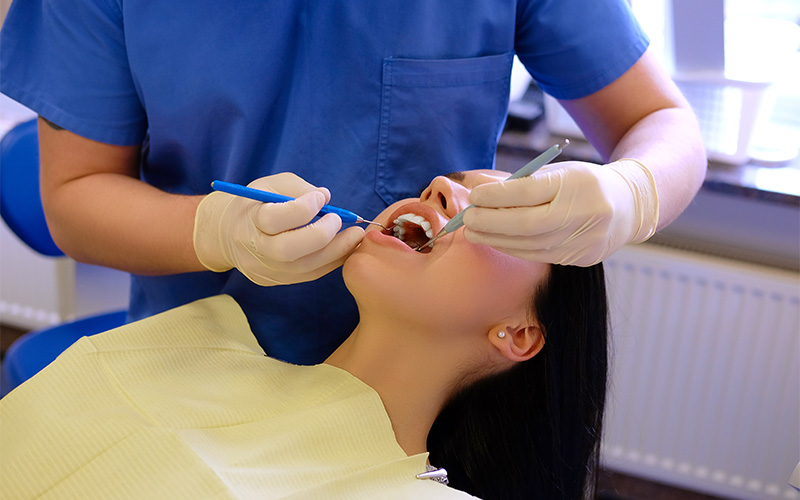
How Do Dentists Find the Cause of Hidden Tooth Pain?
Finding the source of unexplained tooth pain often involves piecing together several clues rather than looking for one obvious problem.
We may start by asking how the pain feels and when it happens. Is it sharp or dull? Does it occur when you bite down or when you release pressure? Is it triggered by cold, does it linger, or is it worse in the morning? Whether the discomfort affects one tooth or several can also help narrow down the possible cause.
Depending on the symptoms, a dental check-up or assessment may include visual examination, percussion or bite testing, cold or other pulp-sensitivity tests, examination of the gums and surrounding tissues, and dental X-rays where appropriate. If a crack is suspected, we may also use magnification or transillumination, which can provide useful clues, although it does not determine the depth or clinical significance of a crack on its own.
This broader approach is particularly useful when the tooth appears normal, but the symptoms persist. By matching what you feel with the clinical findings, we can work toward identifying the likely source of the pain before discussing whether dental treatment is needed and, if so, what approach may be appropriate.
When Tooth Pain Has No Obvious Explanation
A tooth can look healthy and still hurt. Hidden decay, pulpal inflammation, fine cracks, exposed dentine, problems involving the gums or supporting tissues, grinding and pain referred from nearby structures can all cause discomfort without an obvious hole or broken tooth being visible.
Because tooth pain can have many causes, the pattern of discomfort often matters as much as how the tooth looks. Pain that persists, keeps returning, becomes more frequent, causes discomfort when biting, or starts interfering with eating or sleep should be assessed by a dentist, even if the tooth looks normal. Recurring sensitivity in the same area is also worth checking, as the pattern and severity of symptoms can help indicate whether there is an underlying problem.
More prompt dental attention is advisable if the pain becomes severe or is getting worse, or if it is accompanied by swelling, fever, recent trauma, or a tooth that has become noticeably loose. If swelling spreads quickly into the face or neck, or you develop difficulty swallowing or breathing, seek urgent medical attention or go to A&E.
At Canaan Dental Surgery, we assess the painful area together with the surrounding tissues, symptom pattern and relevant clinical findings, using additional tests or imaging where appropriate. The aim is to identify whether the discomfort originates from the tooth itself or another structure before recommending treatment.
If you have persistent tooth pain but cannot see an obvious cause, contact Canaan Dental Surgery to arrange an assessment and investigate where the discomfort may be coming from.
FAQs About Tooth Pain Without an Obvious Cause
Why does my tooth hurt when nothing looks wrong?
Some causes of tooth pain are not immediately visible. Fine cracks, inflammation inside the tooth, grinding or clenching, exposed dentine, and pain referred from the jaw, sinuses or facial nerves may all cause symptoms without an obvious cavity or broken tooth. Depending on the pattern of pain, further clinical tests, dental X-rays or follow-up assessment may be needed to clarify the source.
Why does one tooth hurt if there isn't a cavity?
Pain affecting a single tooth does not always mean there is a cavity. A crack, a problem with an existing filling or crown, inflammation of the dental pulp, exposed dentine, or inflammation of the tissues around the tooth can all cause localised discomfort. Because these conditions require different management, identifying the source of the pain is important before treatment is recommended.
Can stress cause tooth pain?
Yes. Stress may be associated with increased jaw clenching or grinding (bruxism) in some people. Clenching or grinding can contribute to soreness in the teeth or jaw muscles, particularly if it occurs frequently or with significant force. However, tooth pain should not automatically be attributed to stress, especially when it is localised, persistent or worsening, as other dental causes may need to be ruled out.
Can you have a tooth infection without seeing a cavity?
Yes. Infection affecting a tooth or the tissues around it is not always accompanied by a visible cavity. Decay may be hidden between teeth or around an existing restoration, while cracks or previous trauma can also affect the pulp. Persistent spontaneous pain, pain that lingers after temperature changes, swelling or tenderness when biting should be assessed.
Can tooth pain come from somewhere other than the tooth?
Yes. Pain can sometimes be referred to the teeth from nearby structures such as the jaw muscles or maxillary sinuses, and certain facial nerve conditions can also mimic dental pain. If dental examination and testing do not identify a clear tooth-related cause, further assessment may be needed before any irreversible dental treatment is carried out.

