
How To Brush Your Teeth Properly? A Dentist’s Comprehensive Guide to Tools and Techniques
How To Brush Your Teeth Properly? A Dentist’s Comprehensive Guide to Tools and Techniques
Effective toothbrushing is the absolute foundation of clinical oral hygiene.
While it seems simple, doing it correctly every day is the difference between a routine check-up and an unexpected filling.
Just moving the toothbrush bristles around isn’t how to brush your teeth properly; it’s about the strategic removal of plaque, which is the sticky, invisible biofilm of bacteria that causes tooth decay, gum disease, and bad breath. When plaque isn’t disrupted daily, it mineralises into calculus (tartar), which can only be removed by a professional dental cleaning.
Table of Contents
Why Toothbrushing MATTERS
If we don’t manage the bacterial load in our mouths, the consequences go beyond cavities. Chronic plaque buildup leads to:
Gingivitis: Inflammation and bleeding of the gums
Periodontal Disease: Advanced gum disease that can lead to bone and tooth loss
Systemic Health Links: Research continues to show links between oral bacteria and heart health.
Proper toothbrushing helps prevent these problems and reduces the need for complex dental treatment in the future. Brushing twice daily with fluoride toothpaste and flossing daily strengthens tooth enamel, protects against decay, and maintains healthy gums at every stage of life.
By learning how to brush your teeth properly, you aren’t just cleaning your teeth; you’re protecting your entire body!
The "Golden Rules" of Oral Hygiene
Before we get into the mechanics, here are the non-negotiables on how to brush your teeth properly daily:
|
Feature
|
Golden Rule
|
|---|---|
|
Frequency |
Twice daily (Morning and last thing before bed) |
|
Duration |
2-3 Full Minutes (Set a timer!) |
|
Toothpaste |
Fluoride-based |
|
Replacement |
Every 3 months |
General Toothbrushing Tips
|
Do’s
|
Don’ts
|
|---|---|
|
Brush twice daily with a fluoride toothpaste |
Don’t skip brushing at night |
|
Brush gently with a soft-bristled toothbrush |
Don’t brush too hard or use hard-bristled toothbrushes |
|
Spend at least 2 minutes brushing |
Don’t rush your brushing |
|
Angle the toothbrush towards the gumline |
Don’t ignore bleeding gums |
|
Pay extra attention to the gumline, back teeth, |
Don’t forget the back teeth and hard-to-reach areas |
|
Brush angulated at 45 degrees.
|
Bristles touching both tooth and gums
|
|---|---|
|
upper teeth brush placement |
lower teeth brush placement |
|
|
|


The Master Technique: The Bass Method
Most people use a “horizontal scrub” motion, which can actually cause gum recession and enamel wear. As dental professionals, we recommend the Bass Technique. It’s the gold standard for reaching the gingival sulcus (the tiny pocket where the tooth meets the gum).
- Angle the toothbrush 45 degrees towards the gumline.
- Let the bristles touch both the tooth and gum.
- Use small, gentle circular motions.
- Clean one or two teeth at a time for a few seconds.
- Remember to be systematic.
- Start from one end of the outer surface and finish on the other end
- Continue from the same end on the inner surface and finish on the other end.
- Finally end with brushing the biting surfaces.
- For the inner surfaces of the front teeth, hold the brush vertically and use the full breadth of the bristles, going up and down the tooth and cleaning tooth by tooth.
- For chewing surfaces (back teeth), use a gentle scrubbing motion.
💡 Tip: When brushing the back teeth on the cheek side, open only one-quarter of your mouth.
This helps you reach the area properly and prevents your jaw bone from blocking access.
Choosing Your Tool: Manual vs. Electric
While the technique is the most important factor, the tool you choose can make the job easier. Choosing the right toothbrush depends on your brushing technique, gum health, and personal preference. Both manual and electric toothbrushes can be effective when used correctly. Here is a quick look at the two main options.
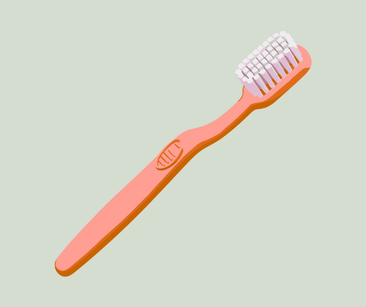
Manual Toothbrushes
A manual brush is effective if you have high manual dexterity and a disciplined technique.
Pros: Affordable, portable, and gives you total control.
Cons: Easy to brush too hard or quit before the 2-minute mark.
Requirement: Always choose soft-bristled. Medium or hard bristles are far too abrasive for your gums and teeth.
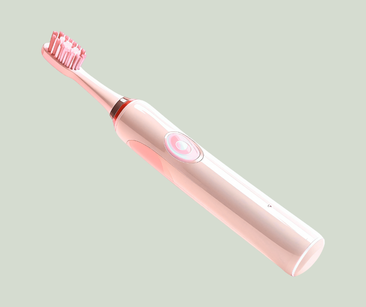
Electric Toothbrushes
Electric brushes take much of the “human error” out of the equation.
Pros: Built-in timers ensure you brush long enough; pressure sensors stop you from pressing too hard.
Cons: Higher upfront cost and requires charging.
Efficiency: Clinical studies often show that electric brushes remove more plaque in a 2-minute session than manual brushes do, simply because they provide more strokes per second.
A Lifetime Investment
At the end of the day, a toothbrush is only as good as the person holding it. Mastering how to brush your teeth properly is the single best investment you can make in your oral health.
Is your current toothbrushing routine making the grade? During your next hygiene appointment, ask us for a “plaque disclosing” test. We can show you exactly where your brush is missing so you can refine your technique at home.
Thinking of upgrading your toothbrush? Not all electric toothbrushes work the same way. To learn the difference between the different types of electric toothbrushes, and find out which may suit your oral health needs best, click through to our next post.

