Wisdom Teeth Removal
Wisdom teeth do not always require treatment, but when they become impacted, partially erupted, or difficult to clean, they may cause pain, infection, or damage to neighbouring teeth. At Canaan Dental Surgery, we assess the position and condition of your wisdom teeth before discussing whether wisdom teeth removal or surgery may be appropriate for your needs. Every treatment recommendation is based on your individual oral health and clinical findings.
What Is Wisdom Teeth Removal?
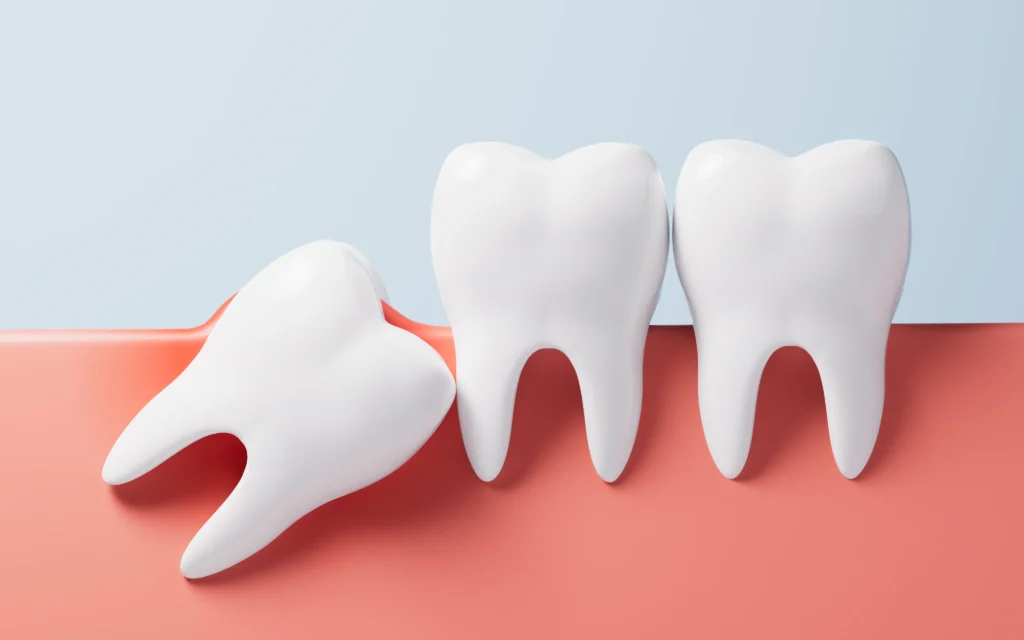
Wisdom teeth are the third and final set of molars, typically emerging between the ages of 17 and 25. While some wisdom teeth erupt normally and remain healthy, others may not have enough space to grow properly. This can cause them to become impacted, emerge only partially, or grow at an angle.
Wisdom teeth removal is the process of removing one or more wisdom teeth when they are causing problems or are at risk of affecting your oral health. Depending on the position of the tooth and how much of it has erupted, the procedure may involve a straightforward extraction or wisdom teeth surgery.
Not every wisdom tooth needs to be removed. Following a clinical examination and, where appropriate, dental X-rays, the dentist will advise whether monitoring or treatment is the more suitable approach.
Signs That Wisdom Teeth Removal May Be Recommended
Not all wisdom teeth cause symptoms. However, when problems develop, early assessment can help identify the cause and determine whether treatment is required.

Pain or Pressure at the Back of the Mouth
Discomfort around the back molars may occur when a wisdom tooth is erupting at an angle or pressing against surrounding teeth.

Swollen or Tender Gums
Partially erupted wisdom teeth can create spaces where food and bacteria collect, leading to swollen, sore, or bleeding gums around the affected area.

Difficulty Cleaning the Area
Wisdom teeth that are difficult to reach may be harder to clean effectively, increasing the risk of tooth decay or gum problems over time.

Recurrent Infection
Some patients experience repeated episodes of inflammation or infection around a partially erupted wisdom tooth, which may cause discomfort, swelling, or an unpleasant taste in the mouth.

Damage to Nearby Teeth
In certain cases, an impacted wisdom tooth may affect the neighbouring molar, increasing the likelihood of decay, gum disease, or damage to surrounding structures.

If you experience any of these symptoms, a dental examination can help determine whether wisdom teeth removal or surgery is appropriate, or whether continued monitoring is appropriate.
Types of Wisdom Tooth Removal
The method used depends on how the wisdom tooth has developed, its position within the jaw, and the surrounding bone and gum tissue. After assessing your condition, the dentist will recommend the most suitable approach.
Simple Extraction
A simple wisdom tooth removal may be performed when the wisdom tooth has fully erupted and can be removed without accessing the surrounding bone. The procedure is typically carried out under local anaesthesia.
Wisdom Teeth Surgery
Wisdom teeth surgery may be recommended when a tooth is impacted, partially erupted, or positioned beneath the gums or jawbone. During the procedure, the dentist makes a small opening in the gum to access the tooth. In some cases, the tooth may be removed in sections before the area is cleaned and, where necessary, closed with stitches.
Before treatment, the dentist will explain the recommended approach, what the procedure involves, and the aftercare required to support healing.
Benefits of Wisdom Tooth Removal
When a wisdom tooth contributes to oral health problems, removal may help address existing symptoms and reduce the likelihood of related issues developing in the future. The benefits depend on your individual dental condition and the reason treatment has been recommended.
Helps Relieve Pain and Discomfort
Impacted or partially erupted wisdom teeth can cause persistent pain, pressure, or discomfort around the back of the mouth. Removing the affected tooth may help address these symptoms when they are caused by the wisdom tooth.
Supports the Health of Neighbouring Teeth
A wisdom tooth that is growing at an angle may place pressure on the adjacent molar or create areas that are difficult to clean. Treatment may help reduce the risk of decay, gum problems, or damage affecting the neighbouring tooth.
Reduces the Risk of Recurrent Gum Infection
Partially erupted wisdom teeth may trap food particles and bacteria beneath the gum tissue, increasing the likelihood of repeated inflammation or infection. Removing the tooth may help prevent these recurring episodes.
Makes Oral Hygiene Easier
When a wisdom tooth is difficult to reach, cleaning around the area can be challenging. Following wisdom teeth removal, patients may find it easier to brush and floss the back of the mouth, which can support better long-term oral hygiene.
Allows Underlying Problems to Be Managed
In some cases, impacted wisdom teeth may be associated with cysts, damage to nearby teeth, or other oral health concerns. Early assessment allows the dentist to identify these conditions and recommend appropriate management where necessary. The National Institutes of Health also notes that impacted wisdom teeth may be associated with a range of conditions, highlighting the importance of individual assessment before treatment decisions are made.
What Happens During Wisdom Teeth Removal?
The treatment process varies according to the position of the tooth and whether a simple extraction or wisdom teeth surgery is required. Before treatment begins, the dentist will explain each stage of the procedure and answer any questions you may have.
Consultation and Assessment
Your appointment begins with a clinical examination of your teeth and gums. Dental X-rays may be recommended to assess the position of the wisdom tooth, its roots, and its relationship with nearby structures before treatment planning.
Anaesthesia and Preparation
The area around the tooth is numbed using local anaesthesia to help minimise discomfort during the procedure. Once the area is fully numb, treatment begins.
Tooth Removal
For fully erupted teeth, the dentist may perform a simple extraction. If the tooth is impacted or positioned beneath the gum, wisdom teeth surgery may be recommended. In these cases, a small opening is made in the gum to access the tooth, which may be removed in sections where appropriate.
Cleaning and Closure
Once the tooth has been removed, the area is cleaned to reduce the risk of debris remaining within the socket. Where necessary, stitches may be placed to support healing.
Recovery Instructions
Before you leave the clinic, you will receive guidance on managing the extraction site, caring for your mouth during recovery, and recognising signs that should be reviewed by the dentist.
Caring for Your Mouth After Wisdom Teeth Removal
Following wisdom teeth removal, including surgery, it is normal to experience some discomfort, swelling, or minor bleeding during the early stages of recovery. Following the aftercare instructions provided by your dentist can help support the healing process.
Control Bleeding
Bite gently on the gauze provided after treatment and replace it if instructed. Avoid spitting or vigorous rinsing during the first 24 hours, as this may disturb the blood clot.
Take Medication as Directed
If medication has been prescribed or recommended, take it according to your dentist’s instructions. Contact the clinic if you have any questions about your medication.
Choose Soft Foods
Soft foods such as porridge, soup, yoghurt, mashed potatoes, or scrambled eggs are generally more comfortable during the first few days. As healing progresses, you can gradually return to your usual diet.
Keep the Area Clean
Continue brushing your teeth carefully while avoiding direct contact with the extraction site. Your dentist may advise when it is appropriate to begin gently rinsing with salt water or an antiseptic mouthwash.
Know When to Contact the Clinic
If bleeding persists, swelling worsens after several days, or you experience severe pain, fever, or other unexpected symptoms, contact the clinic promptly for further advice.
Wisdom Teeth Removal Fees and Payment Options
The cost of wisdom teeth removal depends on factors such as the position of the tooth, whether a simple extraction or wisdom teeth surgery is required, and the complexity of the procedure. A personalised treatment plan and fee estimate will be provided after your assessment.

Treatment Fees
Following your examination and any necessary X-rays, the dentist will explain the recommended treatment and the associated fees before proceeding.

MediSave & Flexi-MediSave for Eligible Surgical Procedures
Patients undergoing eligible surgical wisdom tooth procedures may be able to use MediSave, subject to prevailing regulations and claim limits. The clinic can advise whether your planned treatment qualifies. Patients aged 60 and above may also use up to $400 a year from Flexi-MediSave for root canal treatments and permanent crowns at CHAS dental clinics. Flexi-MediSave does not apply to wisdom tooth removal itself.

CHAS
CHAS subsidies may apply to selected non-surgical dental extractions, depending on the patient’s eligibility and prevailing subsidy limits.

Insurance and Payment Options
Canaan Dental Surgery accepts various payment methods and works with selected insurance providers and government healthcare schemes. If you have questions about payment arrangements or eligibility, our team will be happy to assist before your appointment.

Meet the Dentists Providing Wisdom Teeth Removal
At Canaan Dental Surgery, wisdom teeth removal is carried out following a thorough assessment of your oral health, symptoms, and diagnostic findings. As you meet our team, you’ll find dentists with different areas of practice who work together to provide care tailored to each patient’s needs. Before treatment, your dentist will explain the recommended approach, answer your questions, and guide you through the decision-making process.

Dr Albert Chou
Dr Albert Chou provides comprehensive dental care, including consultations for patients experiencing pain, swelling, or other concerns associated with wisdom teeth.

Dr Jocelyn Wong
Dr Jocelyn Wong takes a patient-centred approach to dental care, helping patients understand their diagnosis and the available treatment options before proceeding with wisdom tooth removal where appropriate.

Dr Sabrina Ong
Dr Sabrina Ong provides dental assessments and treatment for a variety of oral health concerns, including impacted or otherwise causing discomfort.

Dr Sandra Tay
Dr Sandra Tay works with patients to assess the condition of their wisdom teeth and determine whether monitoring or treatment is the most appropriate approach.

Dr Lyn Lee
Dr Lyn Lee provides personalised dental care, taking the time to discuss treatment recommendations and support patients throughout their dental journey.

Dr Natasha Tan
Dr Natasha Tan manages a broad range of dental conditions and helps patients understand when wisdom teeth surgery may be recommended based on their clinical findings.

Dr Joshua Lee
Dr Joshua Lee provides consultations, examinations, and treatment planning for patients requiring routine and surgical dental care.
Dr Jonathan Lim
Dr Jonathan Lim assesses patients presenting with symptoms related to wisdom teeth and discusses suitable treatment options based on their oral health needs.
Dr Kevin Kwok
Dr Kevin Kwok provides dental treatment for patients with a range of oral health concerns, including impacted or partially erupted wisdom teeth.

Dr Noah Teo
Dr Noah Teo is the clinic's Visiting Specialist in Oral and Maxillofacial Surgery. He manages patients requiring selected oral surgical procedures, including more complex cases where wisdom teeth surgery may be indicated.
Schedule a Wisdom Teeth Removal Consultation
If you are experiencing discomfort around your wisdom teeth or would like to understand whether treatment is necessary, our team is here to help. During your consultation, the dentist will assess your oral health, explain the findings, and discuss whether wisdom teeth removal or surgery is appropriate for your individual needs.
Book an appointment with Canaan Dental Surgery to arrange your consultation.
What Our Patients Say
Hi Canaan, I would like to thank Ash who was very gentle throughout the cleaning and polishing appointment and also assistant Shuyi who was very helpful. Highly recommended. Thank you so much Canaan!
Dhiya
20/08/2026Hi Canaan, I visited for a check-up and cleaning with the hygienist, Ash. It was a very good experience. Ash was professional and gentle throughout the cleaning, and Assistant Shuyi was also very helpful and attentive. Overall, I’m very happy with the service and would definitely recommend the team!
Rini
20/08/2026test please ignore
test
25/08/2026Excellent Service. Punctual with appointment.
Nani Rahayu
29/04/2025Great experience with them! Front desk is friendly, and kind. Funny too! I did my wisdom tooth surgery with Dr Kevin, he was good and great! He explains to me in details regards the procedure. Really give me a peace of mind before and after procedure. Thank you so much!
Seri
23/04/2025I visited Dr. Sabrina for the first time about two years back at the Canaan Dental and I have been visiting here for all my regular clean up as well as one complicated dental surgery. Her diagnosis of potential OSA based on observations during a clean up helped me even seek necessary help that I needed for long term wellbeing.
Sandeep Ellawala
08/04/2025Frequently Asked Questions
Do all wisdom teeth need to be removed?
No. Not all cases require wisdom teeth removal. If they have erupted normally, are healthy, and can be cleaned effectively, regular monitoring may be all that is needed. You can also learn more about our team and how they assess wisdom teeth during your consultation.
Is wisdom teeth surgery painful?
Wisdom teeth surgery is performed under local anaesthesia, so you should not feel pain during treatment. Some discomfort or swelling afterwards is normal, and your dentist will provide aftercare instructions to support your recovery. You can also find out more about us and our approach to patient care.
How long does recovery take?
Recovery varies from person to person and depends on the complexity of the procedure. Many patients gradually return to their normal routine within a few days, although complete healing of the extraction site takes longer. You can explore our services to learn about other dental treatments available at the clinic.
When should I seek treatment for wisdom tooth pain?
If you have persistent pain, swelling, difficulty chewing, or recurrent infection around a wisdom tooth, it is advisable to arrange a dental assessment. If you are looking for a recommended dentist in Singapore, our team can examine your wisdom teeth and discuss suitable treatment options.
Can I see examples of your clinic?
Yes. If you would like to familiarise yourself with the clinic before your appointment, you can visit our gallery to view our facilities.
What happens if a wisdom tooth cannot be saved?
If a wisdom tooth cannot be preserved, your dentist will discuss the appropriate treatment and whether any further care is required. In situations involving other missing teeth, you may also wish to learn about tooth replacement options available at our clinic.